Nylon vs. PP Monofilament: Which Is Better for Filtration?
Oct 19 2026
For industrial filtration, nylon (polyamide) monofilament is often suitable when mechanical strength, abrasion resistance, and repeated handling are important, while polypropylene (PP) monofilament is often preferred for low-moisture absorption and compatibility with many acids, alkalis, and aqueous chemicals.
How to Inspect Monofilament Yarn Before Bulk Orders?
Oct 19 2026
To inspect monofilament yarn before accepting a bulk order, compare the delivered material with the approved technical data sheet, agreed dimensional tolerances, reference samples, and purchase specifications. Check diameter consistency, linear density, tensile properties, thermal behavior where relevant, surface condition, winding quality, and bat
What Causes Uneven Monofilament Diameter During Production?
Oct 19 2026
Uneven monofilament diameter is usually caused by unstable melt extrusion, inconsistent cooling, fluctuations in drawing tension, or mismatched extrusion and take-up speeds. These variations can affect tensile strength, flexibility, dimensional consistency, and performance in the finished product.
What Causes Monofilament Yarn Breakage During Weaving?
Oct 08 2026
Monofilament yarn breakage during weaving is usually caused by excessive tension, friction and abrasion, incorrect loom settings, or inconsistent filament quality. Because monofilament consists of a single continuous strand, a local cut, crack, or weak section can sever the entire yarn and interrupt production.
Real-World ROI: Converting Three Factories to Mono Thread Saved $50K Annually
Sep 30 2026
The sewing industry has experienced significant advancements over recent years, particularly with the introduction of specialized sewing threads that meet specific requirements for various applications. Sewing thread mono suppliers have emerged to address the demands for higher quality and durability in textile manufacturing. In this article, we will explore the importance of selecting the right
Mono Thread on Quilting Machines: Avoiding Looping on the Underside
Sep 30 2026
When it comes to quilting machines, mono thread plays a crucial role. This specialized thread, typically made from polyester, is renowned for its strength and durability, essential attributes for any quilter aiming for professional-quality results. By using mono thread on quilting machines, users can minimize issues like looping on the underside of quilts, ensuring that the final product not only
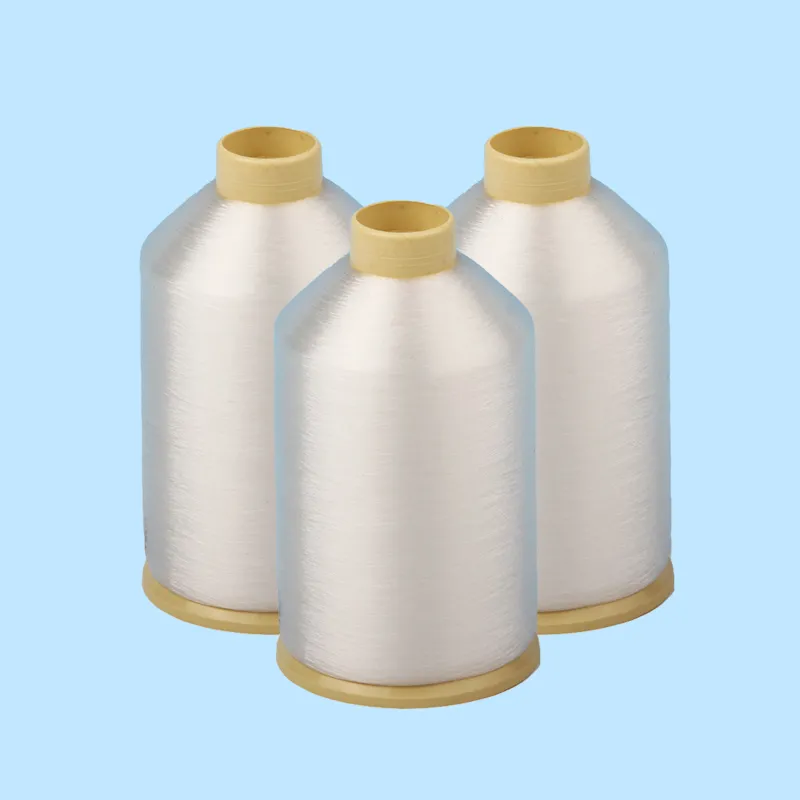
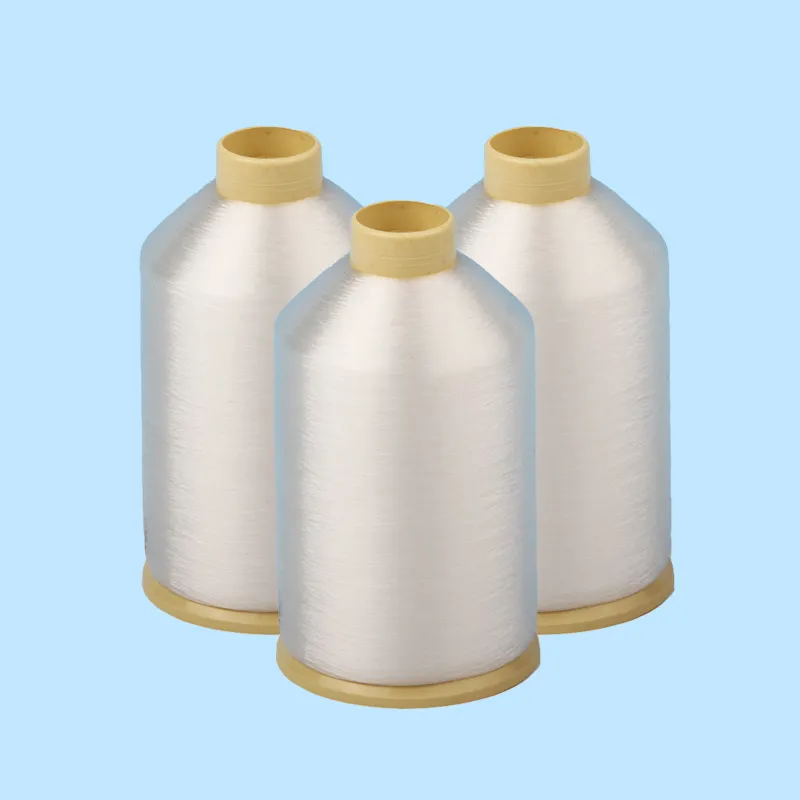
The product is widely used in shoe materials, webbing, computer embroidery, trademark weaving, fishing nets, paper making nets, paper making blankets, sewing threads, Velcro, wire sleeves, woven hoses, safety equipment, mattresses, handicrafts, curtain straps, egg ties, spinning buttons, fishbone skirt supports, zipper monofilaments, plastic steel wires, gabion nets, hair accessories, etc.

Follow Us
Follow Us
Navigation
Navigation
Contact Us
Tel.: +86 135 5678 0711
E-mail: bosidi@foxmail.com
Add.: Building 2, No. 9 Weixing Road, Chashan Town, Dongguan, Guangdong, China