01


Detail Communication
02


Customized Order
03


Pay Deposit
04


Material Preparation
05


Pay The Final Payment
CONTACT SERVICE
IF YOU HAVE ANY QUESTIONSPLEASECONTACT US
Want to speak to us?
Our team of experienced experts can't wait to help you find the right solution for your business. Talk to a sales expert today.
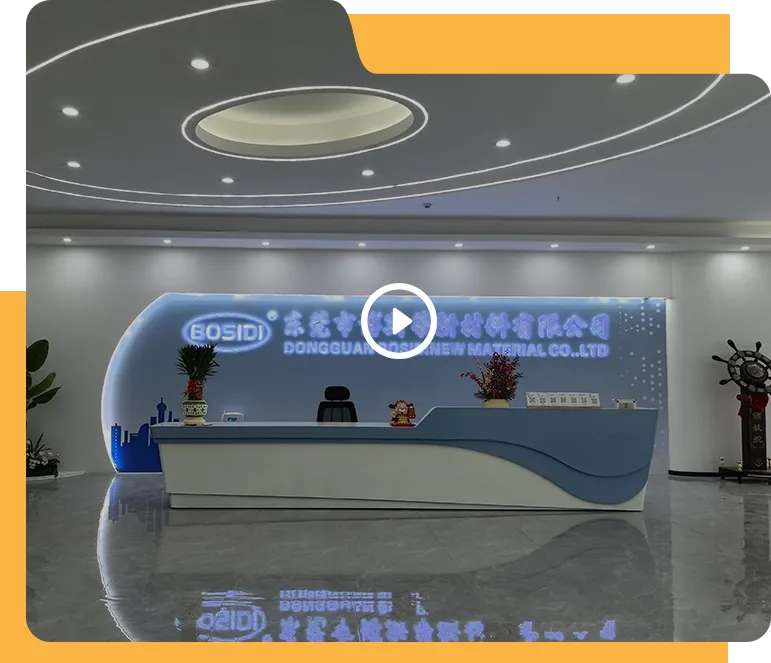
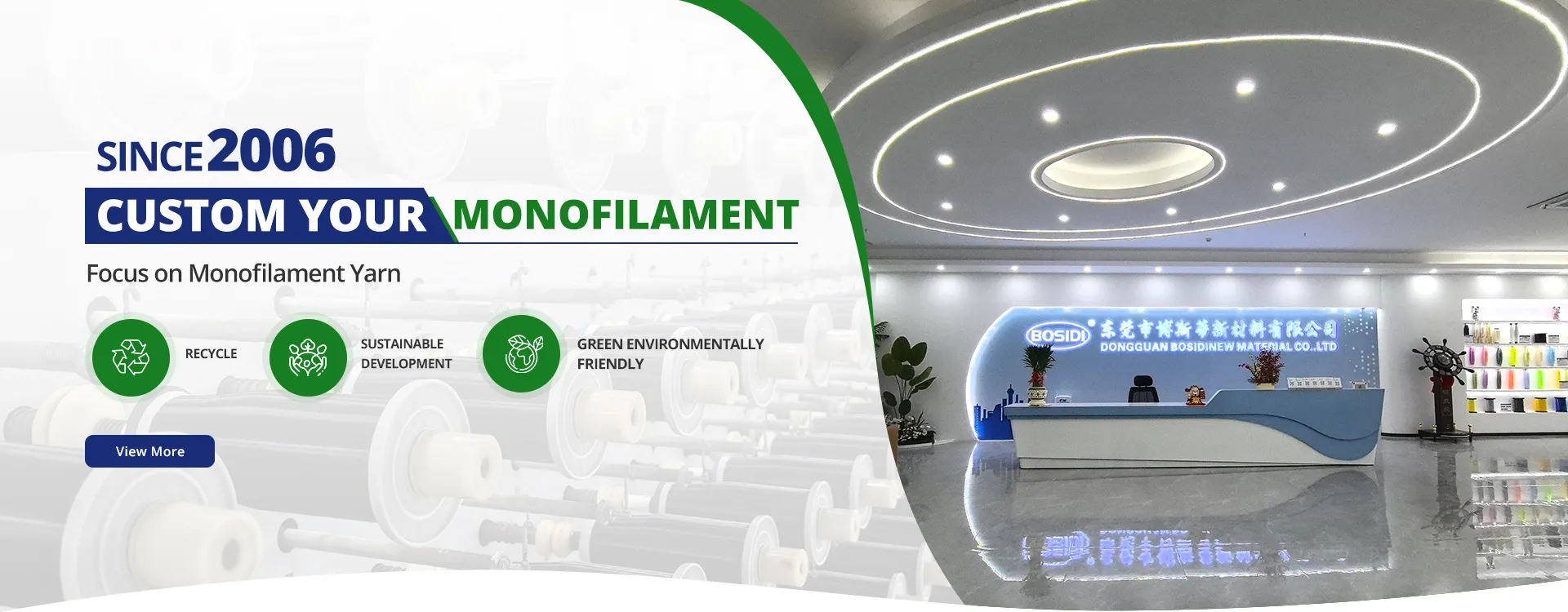
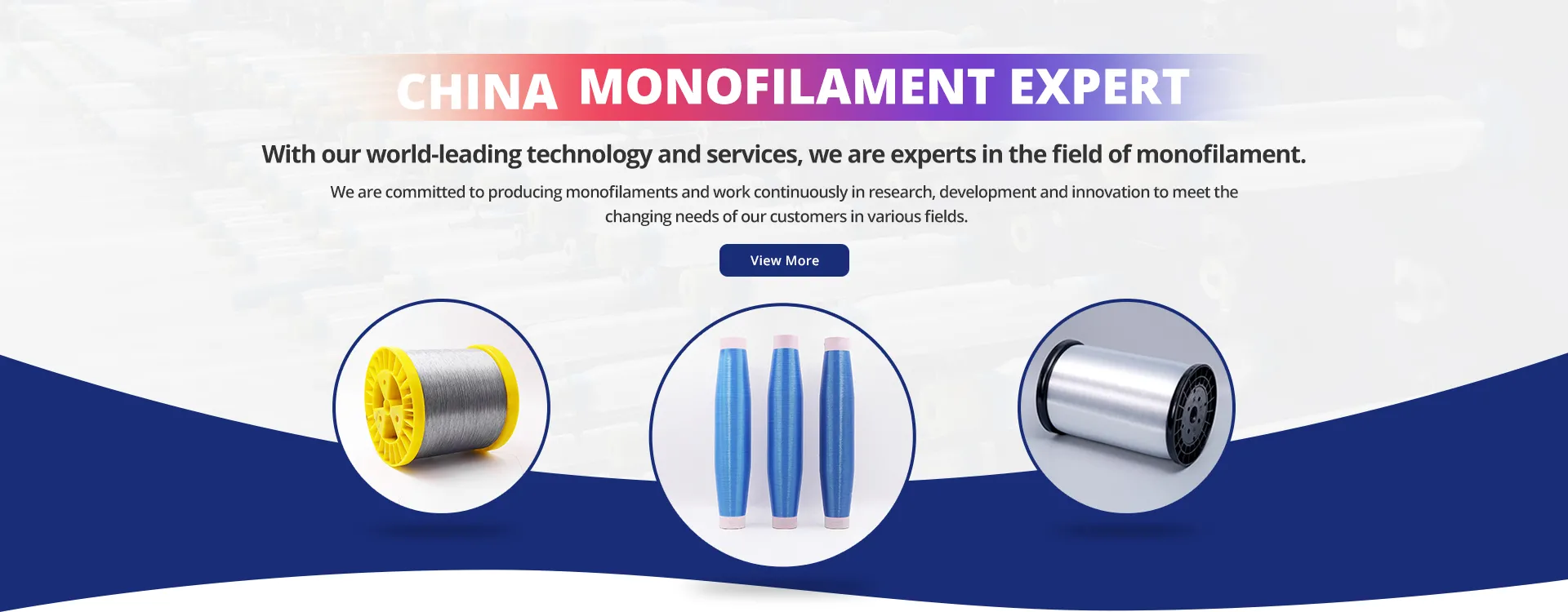
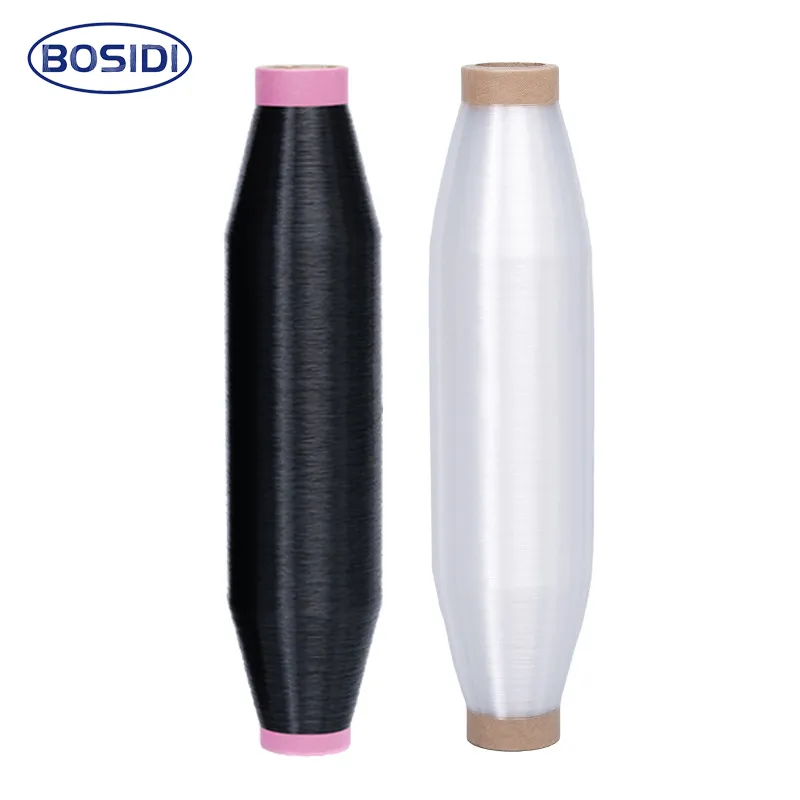
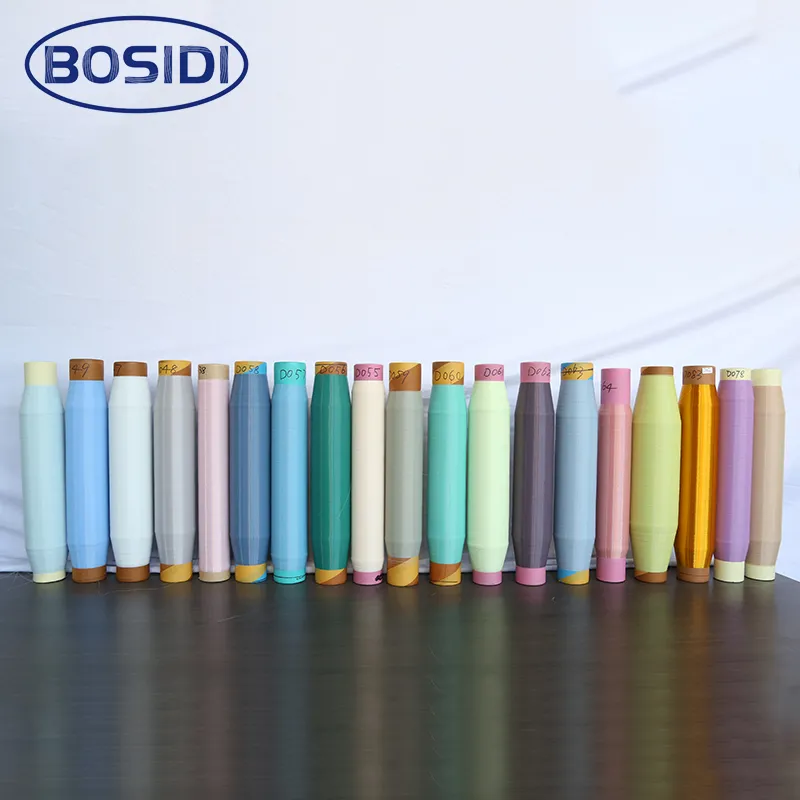
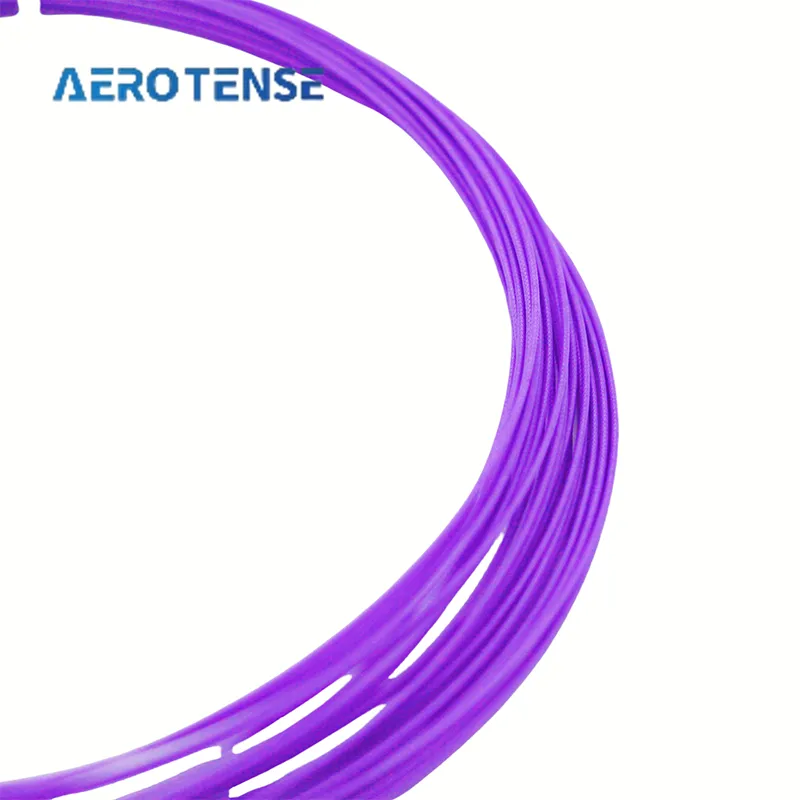
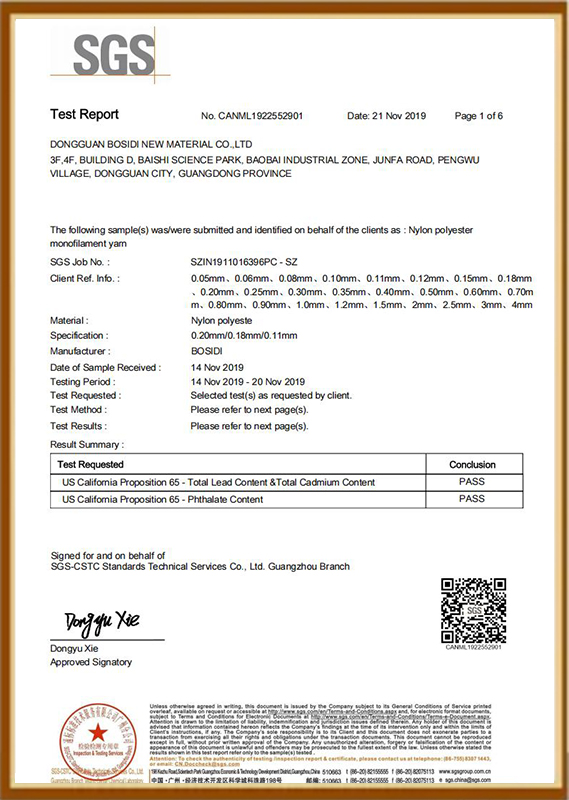
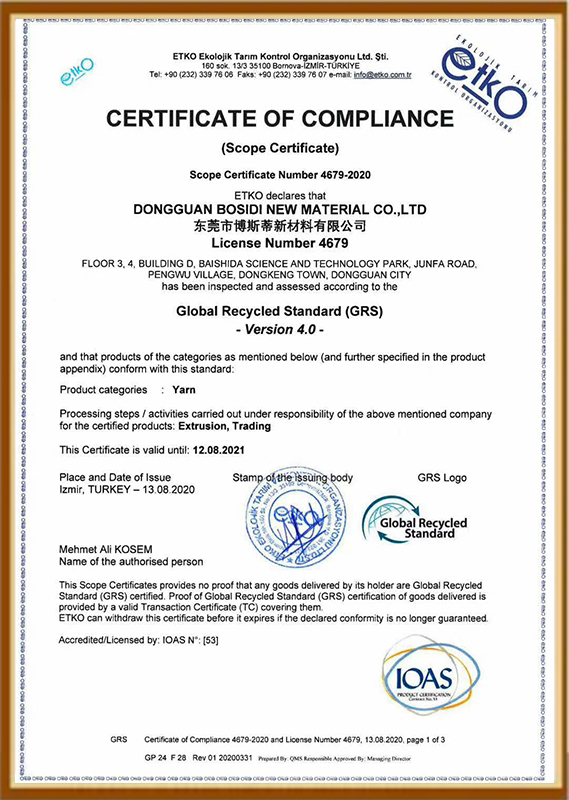
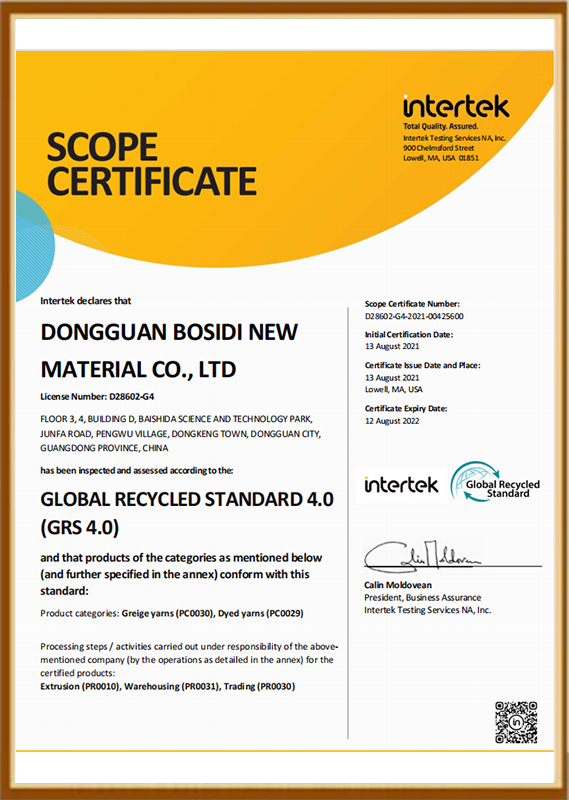
Guangdong BOSIDI New Materials Co., Ltd. was established in 2015 with a registered capital of 1 million US dollars. It is a company that produces colored nylon and polyester monofilament (50D-5000D); Natural color nylon, polyester, polypropylene, polyethylene TPEE、TPU, A company mainly engaged in the production of two-component materials such as single filament (with a specification diameter of 0.08mm-5mm) nylon sand, frozen sand, and fishing silk sewing thread. Located in Chashan Town, Dongguan City, with a factory area of 10000 square meters.
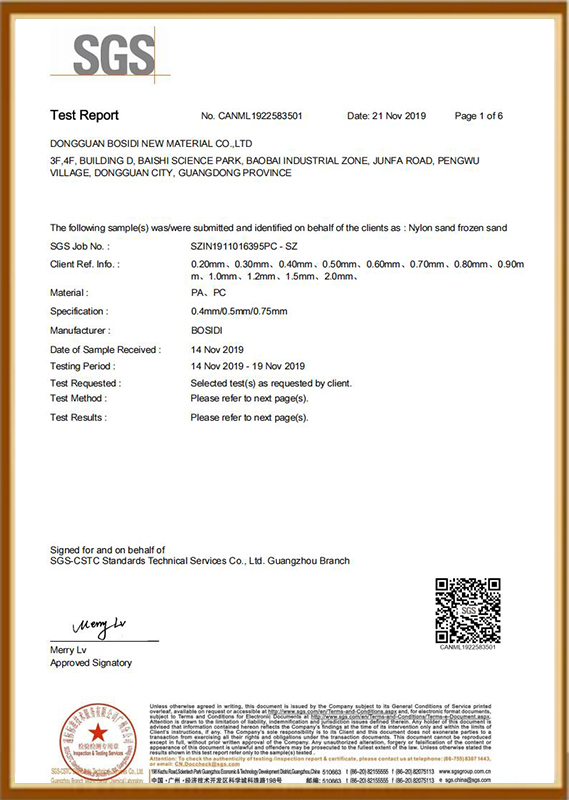
Dongguan BOSIDI has a complete and scientific quality management system to strictly control the quality
BOSIDI products are sold to all major regions of the country

2015
Established In
10000square meters
Factory Area
200units+
Production Equipment
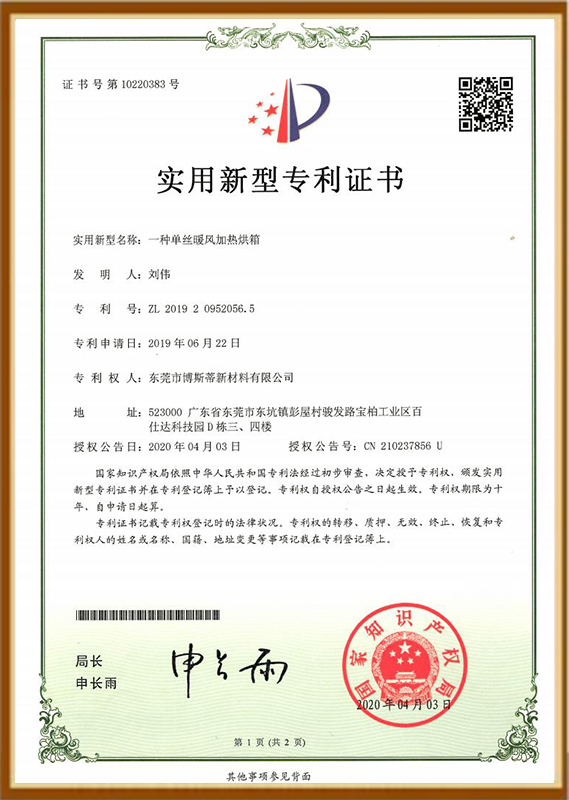
12patents
Authorized
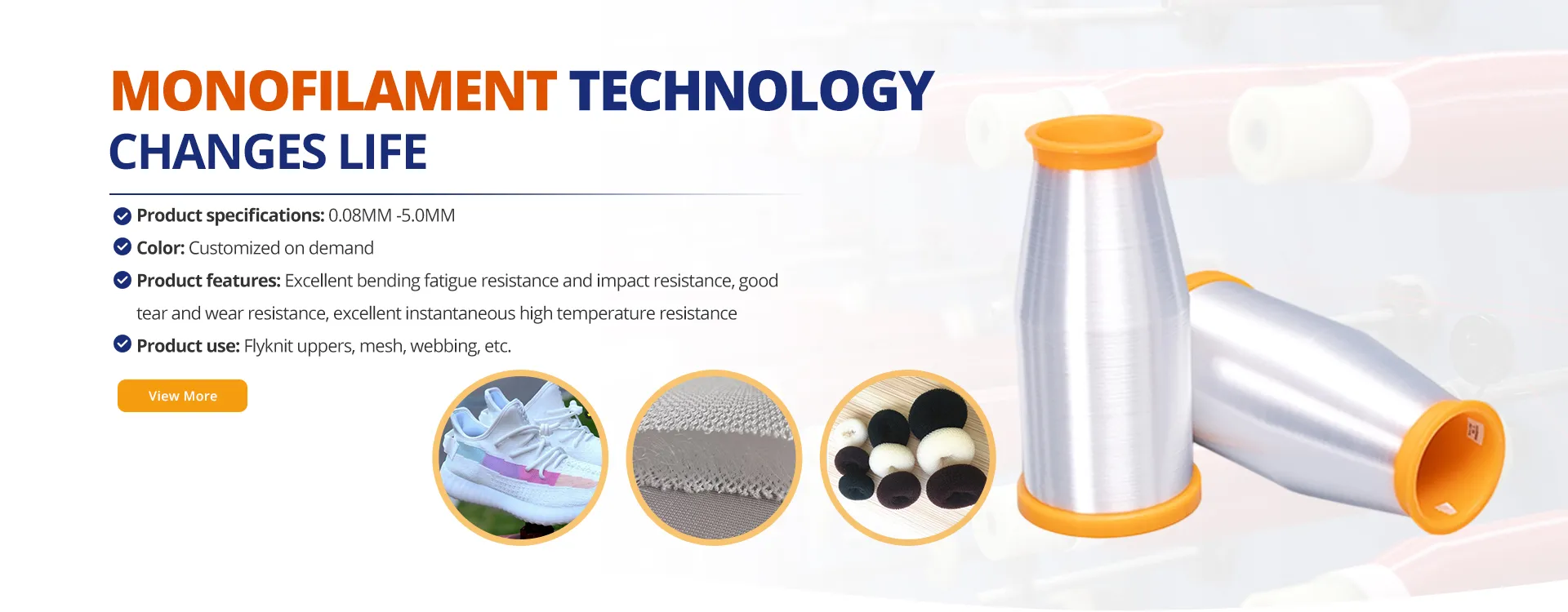
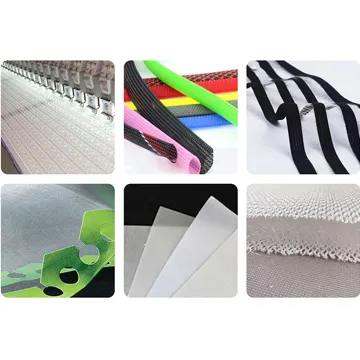
The product is widely used in shoe materials, webbing, computer embroidery, trademark weaving, fishing nets, paper making nets, paper making blankets, sewing threads, Velcro, wire sleeves, woven hoses, safety equipment, mattresses, handicrafts, curtain straps, egg ties, spinning buttons, fishbone skirt supports, zipper monofilaments, plastic steel wires, gabion nets, hair accessories, etc.
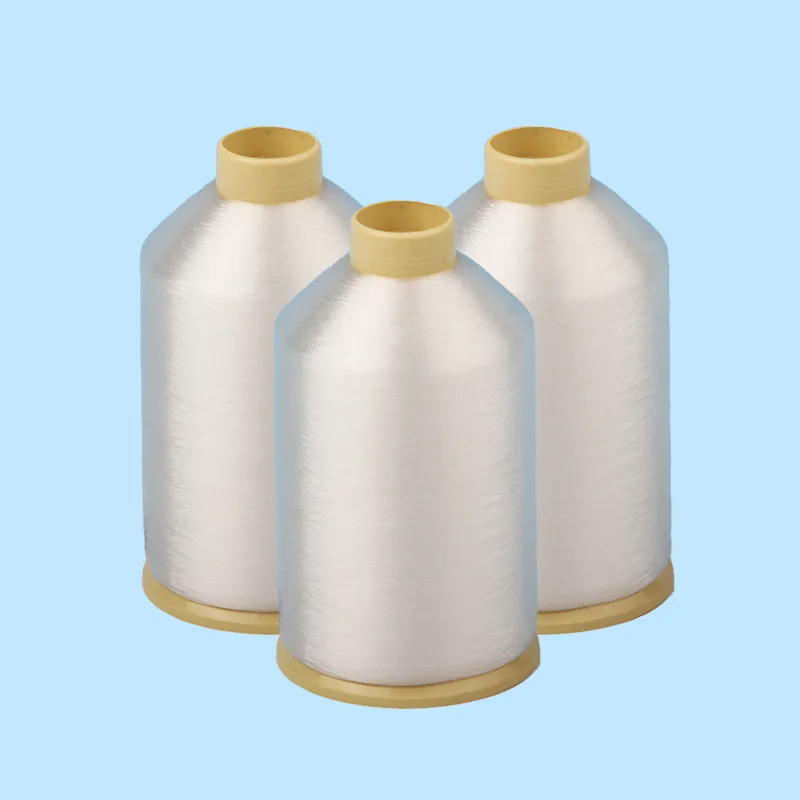
B2B Sourcing Alert: Spotting Low-Grade Mono Thread by Its Surface Roughness
Oct 31 2026
In the fast-paced world of manufacturing and textile production, understanding the quality of raw materials is paramount. Low-grade mono thread, a widely used sewing thread in various industries, can significantly affect the performance of sewing machines and the end product. By examining its surface roughness, businesses can determine the thread’s quality and suitability for their
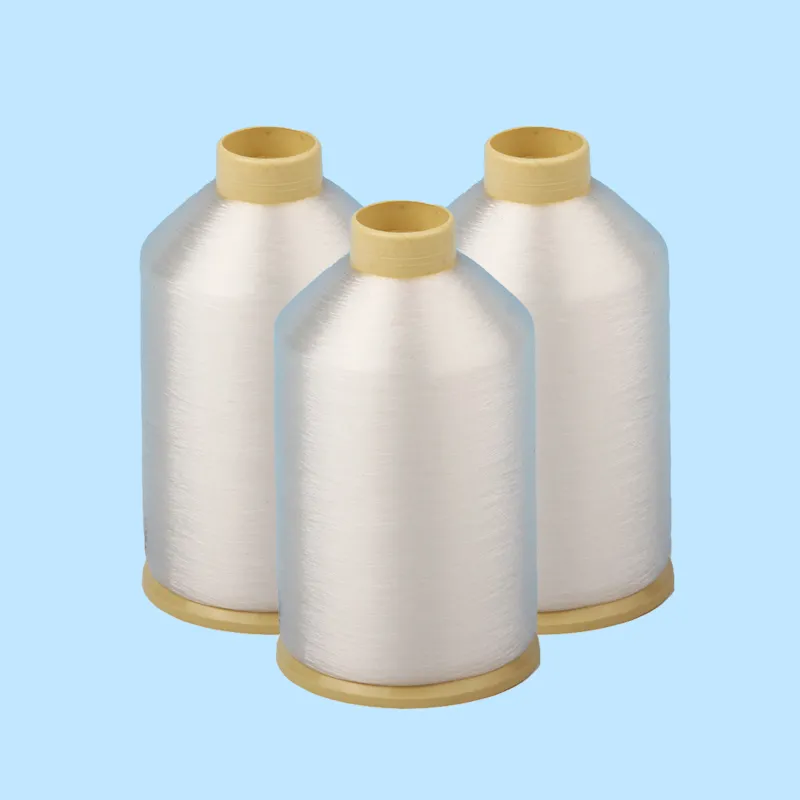
Softening Mono Thread for Delicate Fabrics: Silicone Treatment Options
Oct 31 2026
The textile industry has undergone significant advancements in recent years, leading to increased demand for high-quality materials that cater to specific needs. One of the noteworthy products that has emerged is the sewing thread mono supplier. This innovation stems from the need for durable yet soft threads that can withstand the rigors of daily use without compromising fabric integrity.
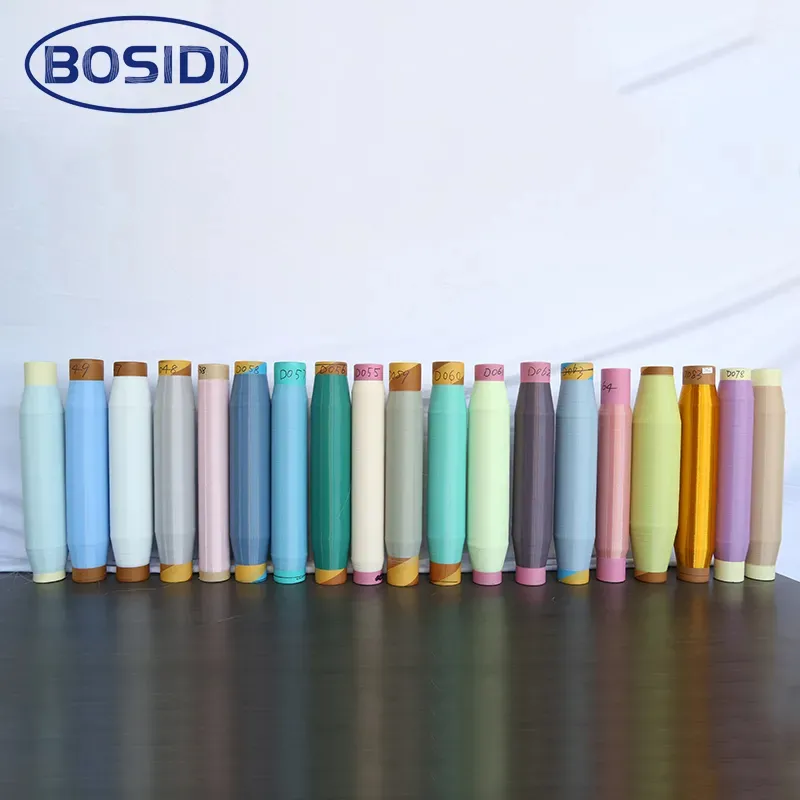
Nylon vs. PP Monofilament: Which Is Better for Filtration?
Oct 19 2026
For industrial filtration, nylon (polyamide) monofilament is often suitable when mechanical strength, abrasion resistance, and repeated handling are important, while polypropylene (PP) monofilament is often preferred for low-moisture absorption and compatibility with many acids, alkalis, and aqueous chemicals.
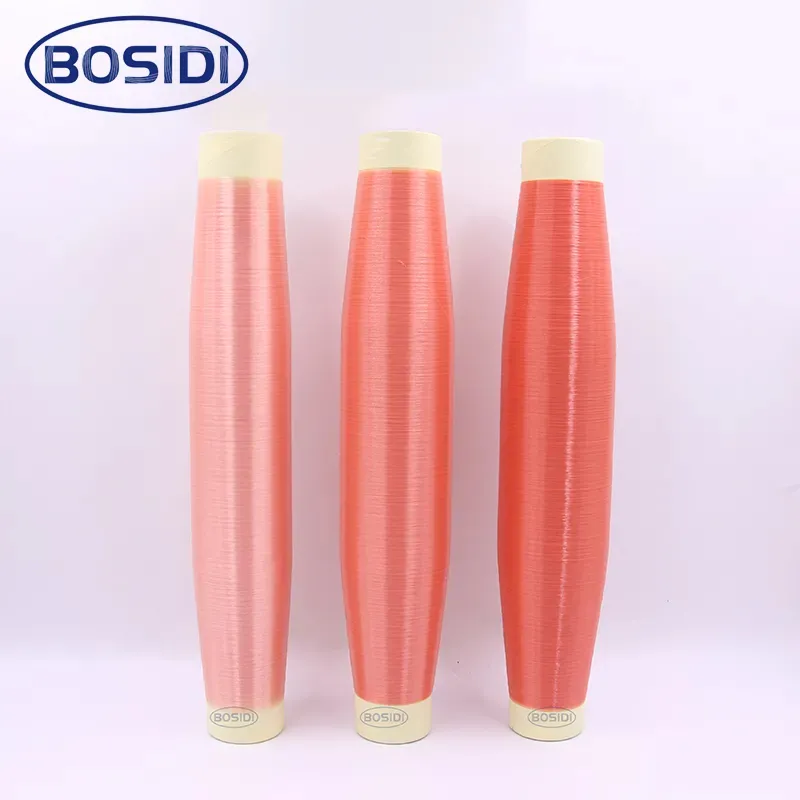
How to Inspect Monofilament Yarn Before Bulk Orders?
Oct 19 2026
To inspect monofilament yarn before accepting a bulk order, compare the delivered material with the approved technical data sheet, agreed dimensional tolerances, reference samples, and purchase specifications. Check diameter consistency, linear density, tensile properties, thermal behavior where relevant, surface condition, winding quality, and bat
What Causes Uneven Monofilament Diameter During Production?
Oct 19 2026
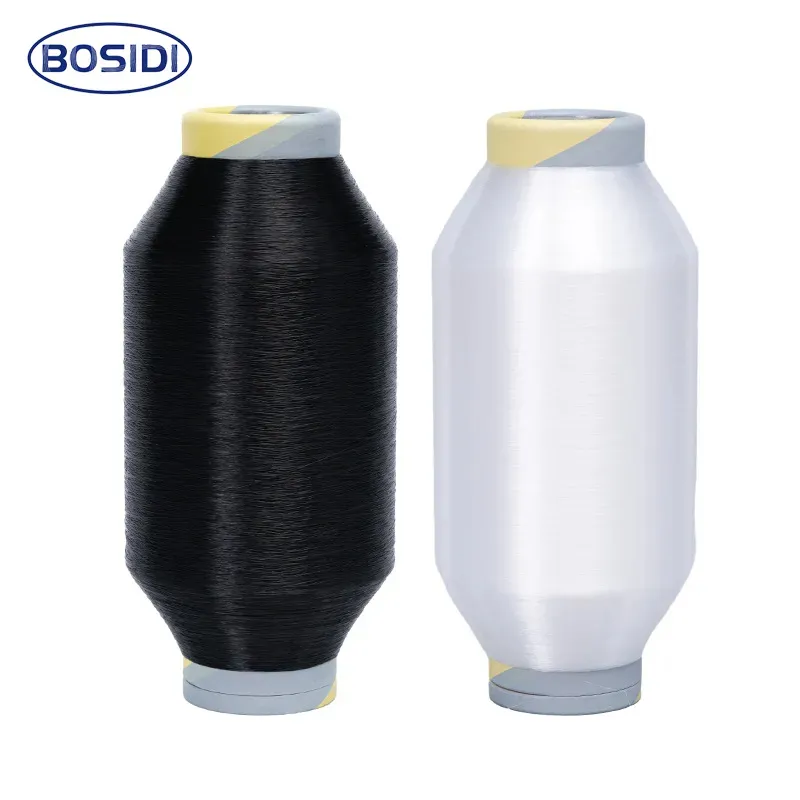
Uneven monofilament diameter is usually caused by unstable melt extrusion, inconsistent cooling, fluctuations in drawing tension, or mismatched extrusion and take-up speeds. These variations can affect tensile strength, flexibility, dimensional consistency, and performance in the finished product.
What Causes Monofilament Yarn Breakage During Weaving?
Oct 08 2026
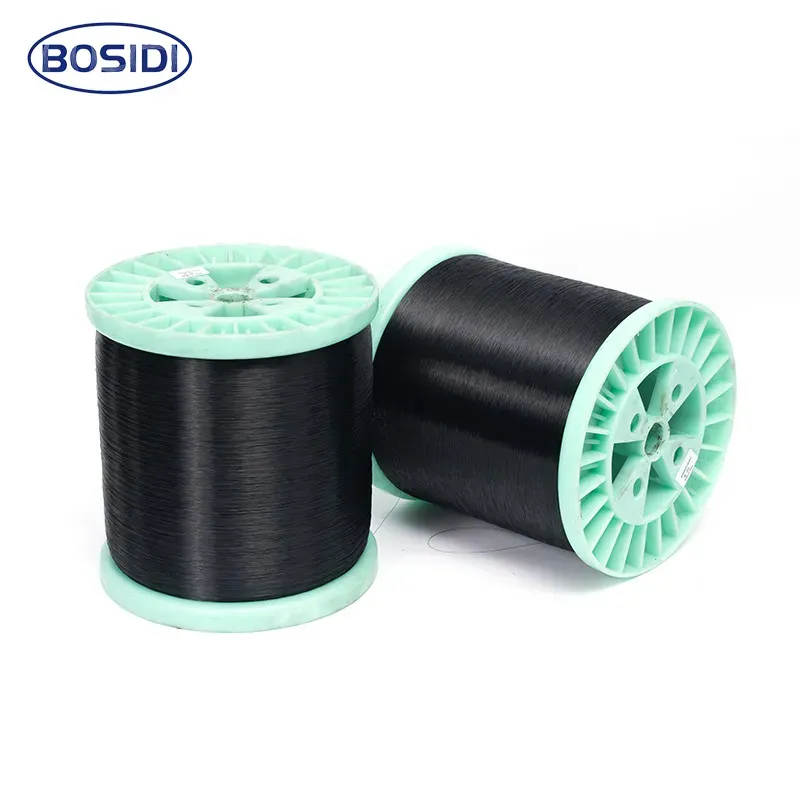
Monofilament yarn breakage during weaving is usually caused by excessive tension, friction and abrasion, incorrect loom settings, or inconsistent filament quality. Because monofilament consists of a single continuous strand, a local cut, crack, or weak section can sever the entire yarn and interrupt production.
Thank you for your interest in BOSIDI
Fields marked with an asterisk (*) are required. We will respond to you as soon as possible. You can also contact us via e-mail: bosidi@foxmail.com

Follow Us
Follow Us
Navigation
Navigation
Contact Us
Tel/ WhatsApp: +86 135 5678 0711
E-mail: chris@gdbosidi.com
Add.: Building 2, No. 9 Weixing Road, Chashan Town, Dongguan, Guangdong, China