May. 12, 2025
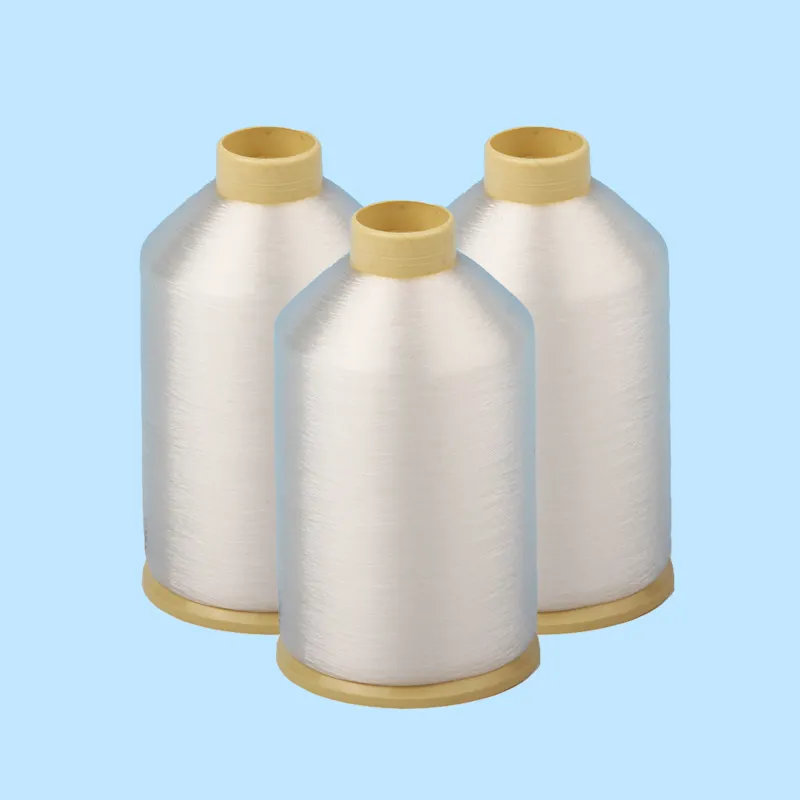
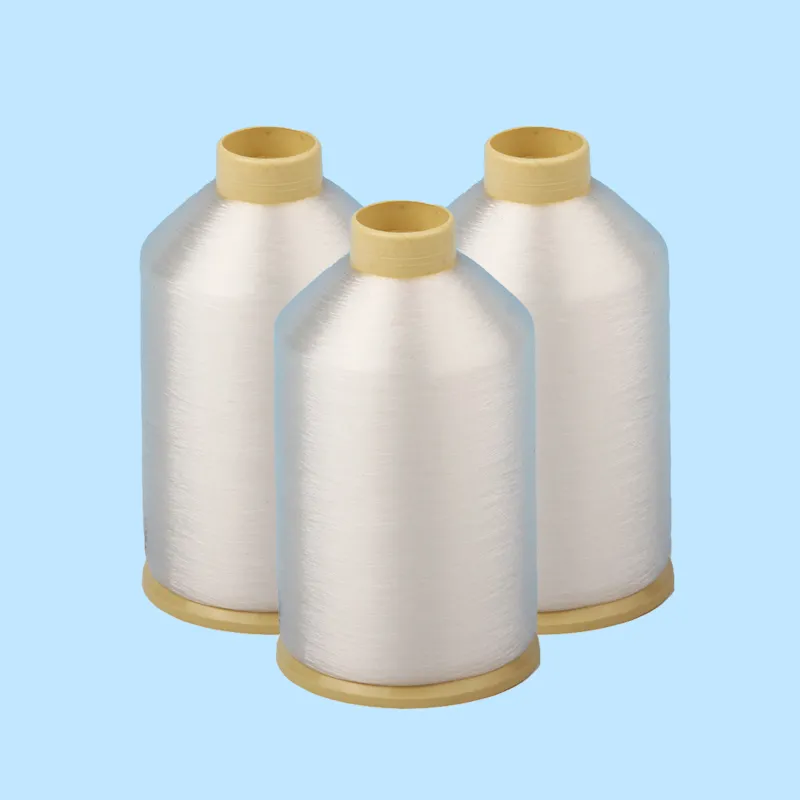
In the wave of smart, green, and high-end upgrades in the bathroom industry, monofilament braided sleeves—a seemingly minor component—are becoming a pivotal force in reshaping the global trillion-yuan market through material innovation, advanced manufacturing, and scenario-based applications. Industry forecasts predict China’s braided mesh and tube market will exceed RMB 55 billion by 2025, with the bathroom sector accounting for over 30%, while high-performance monofilament sleeves grow at an annual rate of 9%, driving industrial transformation.
I. Material Revolution: From "Metal Replacement" to "Functional Empowerment"
Traditional bathroom piping systems relying on metal tubes face limitations in weight and corrosion resistance. Braided sleeves made of nylon 66, PET, and stainless steel monofilaments achieve breakthroughs through molecular optimization and nano-enhancement:
• Extreme Durability: Nylon 66 sleeves withstand -60°C~160°C with tensile strength over 300MPa, ideal for smart toilet systems;
• Lightweight Flexibility: PET tubes weigh 1/5 of metal alternatives, expandable to 1.5x diameter for complex layouts in showers and smart cabinets;
• Eco-Health: Nano-silver antibacterial sleeves inhibit 99% bacterial growth, while bio-based nylon cuts carbon footprints by 50%, aligning with zero-carbon trends.
These innovations extend product lifespan by 30% and reduce post-sale repairs by 25%, making them critical for global brands like Kohler and TOTO.
II. Scenario Innovation: Smart Integration and Aesthetic Evolution
Monofilament sleeves are transitioning from "basic protection" to "smart interaction":
1. IoT Monitoring: PET sleeves embedded with fiber-optic sensors detect leaks and pressure changes in milliseconds, transmitting data via IoT;
2. Invisible Design: 3D-printed colored nylon sleeves blend with tiles and faucets, replacing exposed pipes for minimalist aesthetics;
3. Energy Efficiency: High-conductivity stainless steel tubes improve heat transfer by 40% in underfloor heating systems.
Customs data shows China’s bathroom monofilament exports surpassed RMB 3 billion in 2023, with Southeast Asian markets growing 48% under RCEP tariff cuts.
III. Industrial Synergy: Green Manufacturing and Ecosystem Integration
Driven by carbon neutrality goals, the industry is building a sustainable ecosystem:
• Circular Economy: Jiangsu Huaqiang Metal recycles discarded nylon sleeves, cutting material costs by 20%, with eco-friendly products to reach 70% by 2025;
• Smart Production: Robotic production lines achieve 280,000-ton annual capacity, while digital twins slash R&D cycles by 50%;
• Cross-Industry Synergy: Aerospace-grade stainless steel technology is adapted for high-pressure shower hoses in luxury hotels.
IV. Challenges and Future: From "Made in China" to "Global Standards"
Despite growth, three challenges persist:
1. Cost Volatility: Geopolitical risks for petroleum-based nylon necessitate bio-material R&D acceleration;
2. Standardization Gaps: Unified testing protocols for antibacterial and aging resistance are lacking;
3. Green Certification: SMEs struggle with EU’s mandatory EPD requirements for bathroom components.
Looking ahead, monofilament sleeves will evolve toward modularity (plug-and-play components), adaptability (self-adjusting to humidity), and traceability (blockchain quality assurance). By 2030, China’s functional monofilament market for bathrooms is projected to hit RMB 120 billion, cementing its role as a global supply chain leader.


Follow Us
Follow Us
Navigation
Navigation
Contact Us
Tel.: +86 135 5678 0711
E-mail: bosidi@foxmail.com
Add.: Building 2, No. 9 Weixing Road, Chashan Town, Dongguan, Guangdong, China