Sep. 23, 2026
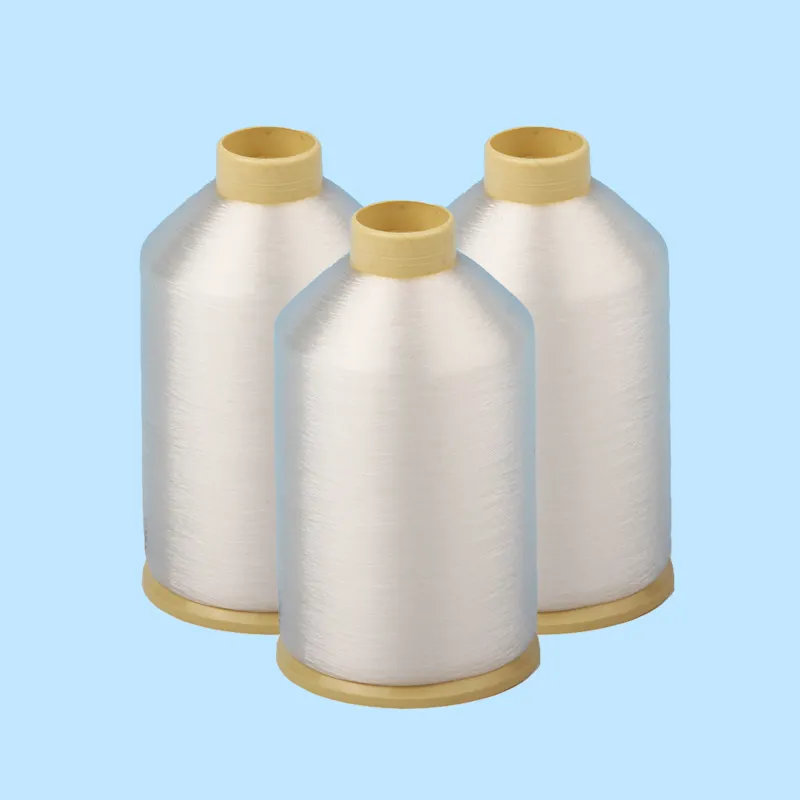
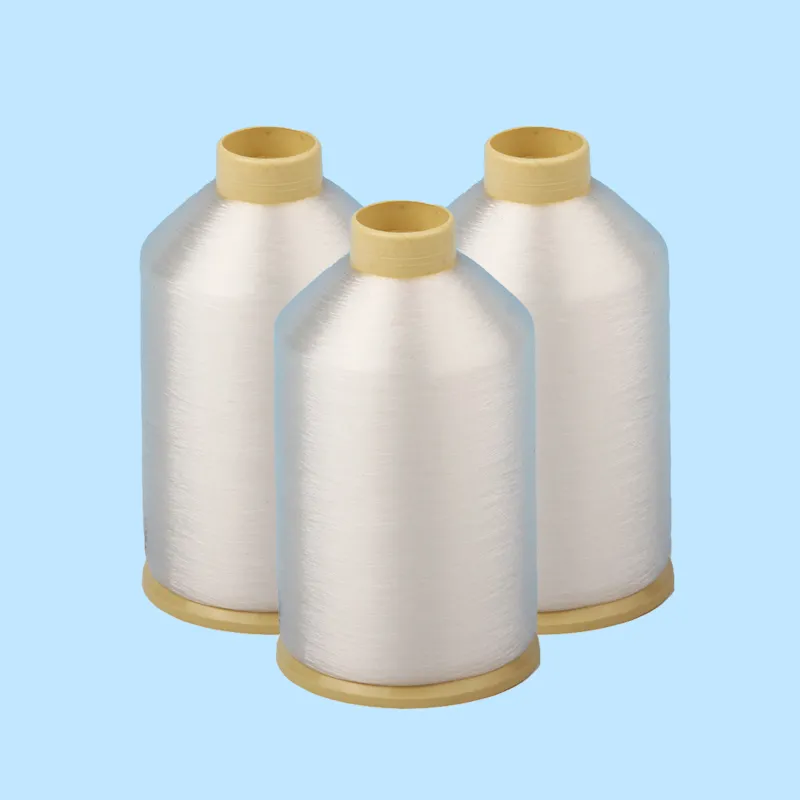
BOSIDI, a monofilament yarn manufacturer producing nylon, polyester, PP and TPEE single filaments from 0.08 mm to 5 mm, tells buyers that the spec sheet is the only document that decides whether a filament will run clean on the loom or fail inside the first shift. A monofilament spec sheet lists the numbers that predict processing behavior, and the five values that settle most buying decisions are denier or diameter, tenacity, elongation, shrinkage, and the coefficient of variation that shows batch consistency. Reading them in the right order turns a supplier claim into a number you can verify, and the first check is always whether the sheet states a tolerance next to every average.
The linear density of mono yarn is given as denier, dtex, or a raw diameter in millimeters, and all three describe the same thing: how much polymer sits in one meter of filament. Denier is the weight in grams of 9000 meters of yarn, dtex is the weight in grams of 10000 meters, and diameter is the physical width the extruder actually draws. A 150D nylon reads close to 167 dtex, and a 0.20 mm filament sits near 200D depending on the polymer density, so the buyer should confirm which unit the supplier uses before comparing two quotes. BOSIDI lists both denier and diameter on the PA6 monofilament page because the same denier draws to a different diameter in nylon than in polyester, and mixing the two units is the most common source of a wrong order. The diameter also decides the aperture in a filter cloth or the gap in a woven screen, so for any mesh or sieve use the millimeter value is the one that matters.
Tenacity is the breaking strength of the filament divided by its mass, written as cN/dtex or grams per denier, and it is the single best predictor of how the yarn survives tension on a high-speed machine. A sewing or weaving mono thread needs high tenacity, often above 4.5 cN/dtex for apparel and 5.0 to 6.5 cN/dtex for industrial PP, while a soft elastic ear loop wants lower tenacity paired with high recovery. Elongation at break is the percentage the filament stretches before it snaps, and the two move against each other: a high-tenacity yarn is usually low-elongation and a low-elongation thread is why a sewn seam stays flat instead of puckering. The buyer should match tenacity to the peak tension in their process and elongation to the give the end product needs, not to a round number on a brochure.
Shrinkage is the percentage the filament contracts under hot air or boiling water, and it decides whether a dyed fabric keeps its shape or distorts in finishing. Boiling-water shrinkage for PP monofilament typically lands at 2 to 6 percent and hot-air shrinkage near 120 degrees Celsius at 5 to 10 percent, while polyester holds tighter and nylon relaxes more, so the number has to be read against the polymer, not against a generic target. If the yarn will be dyed or heat-set after weaving, a high or inconsistent shrinkage value means barre, skew, or fabric that will not lie flat, and the spec sheet should state the test condition next to the figure. BOSIDI records shrinkage on the PP monofilament page because rope and geotextile buyers heat the line during coating and need the number before they set the oven.
The coefficient of variation, written as CV percent, measures how evenly the filament holds its thickness and strength along its length, and a low CV is worth more than a high average. Two batches can show the same tenacity on paper yet one runs with constant breaks because its CV is wide, so the buyer should treat CV as the consistency flag rather than a footnote. Denier tolerance of plus or minus 2 to 3 percent is normal for good mono yarn and anything above 5 percent starts to show as streaks in dyed cloth, while CVm for evenness below the global average keeps the loom running without thin spots that snap. The quality system at BOSIDI is built to hold these tolerances, and the inspection step exists precisely so the CV on the certificate matches the CV in the carton.
A spec sheet is only as good as the test behind it, so the buyer should ask for the certificate of analysis for the specific batch and the standard the supplier tested against, such as ISO or ASTM, rather than accepting a catalog average. The document should name the test method, the sample size, and the tolerance band, because an unverified claim with no method is not a specification. BOSIDI keeps SGS and GRS certificates on file and the international certification page documents the audits behind the numbers, which is what lets a buyer trust a tolerance instead of guessing. When the CoA, the tolerance, and the application line up, the spec sheet becomes a purchase order instead of a hope.
The same five values mean different things once the filament leaves the lab and meets a machine. A filter cloth cares about diameter and CV because the aperture has to stay constant, a sewing thread cares about tenacity and low elongation because the seam has to hold, a geotextile cares about shrinkage and chemical grade because it is buried and heated, and an elastic loop cares about recovery more than raw strength. The buyer should rank the five numbers by the failure mode that costs the most in their plant, then write that ranking into the order so the supplier optimizes the right property. BOSIDI reviews this ranking during the customization process so the drawn filament is tuned to the duty instead of to a generic catalog line.
BOSIDI recommends four moves that keep a spec sheet from becoming a surprise on the factory floor. First, ask for denier and diameter in the same unit the loom is set up for, because converting after the fact hides a quarter-millimeter error. Second, request the CV percent next to every average, not just the tenacity headline, because consistency is what prevents random breaks. Third, confirm the shrinkage test condition, boiling water or hot air, because the two figures are not interchangeable and the wrong one ruins a dye batch. Fourth, keep the certificate of analysis with the purchase record so a future claim can be checked against the actual batch, and the contact team at BOSIDI will supply the CoA and the test standard on request before any volume order is cut.
Q: What is the difference between denier and dtex on a monofilament sheet? A: Denier is grams per 9000 meters and dtex is grams per 10000 meters, so dtex equals denier times about 1.11. Both measure thickness, and the buyer should confirm which unit the supplier quotes before comparing two filaments.
Q: Why does the CV percent matter more than the average tenacity? A: The average tenacity is the headline, but the CV percent shows how evenly that strength holds along the filament. A wide CV means random thin spots that snap on the machine, so a lower CV with a slightly lower average is usually the safer running yarn.
Q: How much shrinkage should I specify for a yarn that will be dyed? A: It depends on the process. For high-temperature dyeing, boiling-water shrinkage of 2 to 6 percent is common for PP and the value must be consistent; above 8 percent risks fabric distortion unless the cloth is engineered for it.
Q: Is a higher tenacity always better for monofilament yarn? A: No. High tenacity usually comes with lower elongation, and a rigid yarn can crack where a product needs give. Match tenacity to the peak tension in the process and elongation to the recovery the end use requires.
Q: What should I check on the certificate of analysis before a bulk order? A: Confirm the test method and standard, the batch number, the tolerance band next to each average, and that the figures match the application you specified. A catalog average with no method and no CoA is not a specification you can enforce.

Follow Us
Follow Us
Navigation
Navigation
Contact Us
Tel.: +86 135 5678 0711
E-mail: bosidi@foxmail.com
Add.: Building 2, No. 9 Weixing Road, Chashan Town, Dongguan, Guangdong, China