Sep. 30, 2026
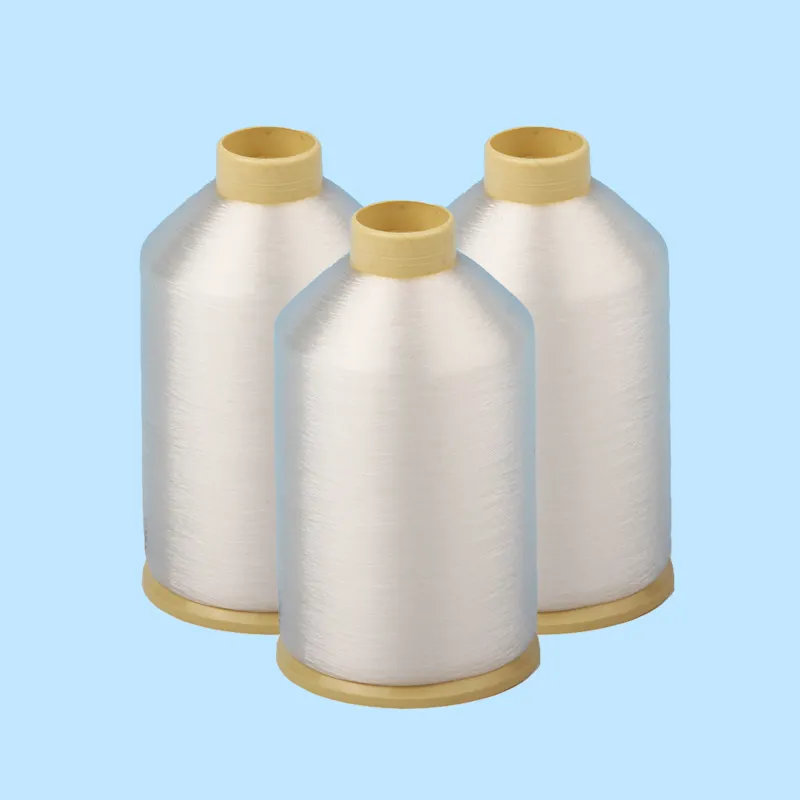
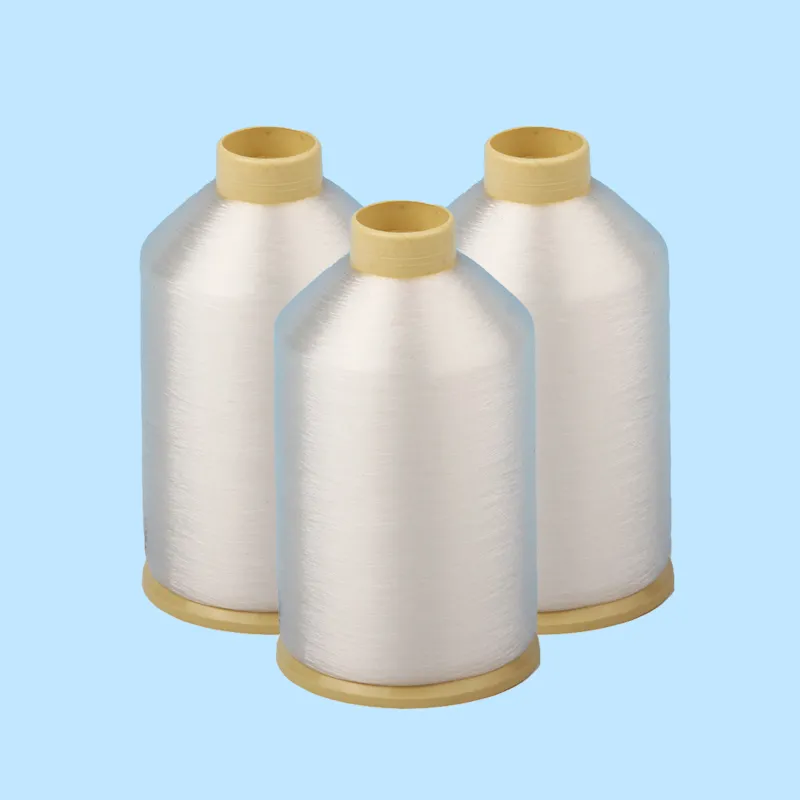
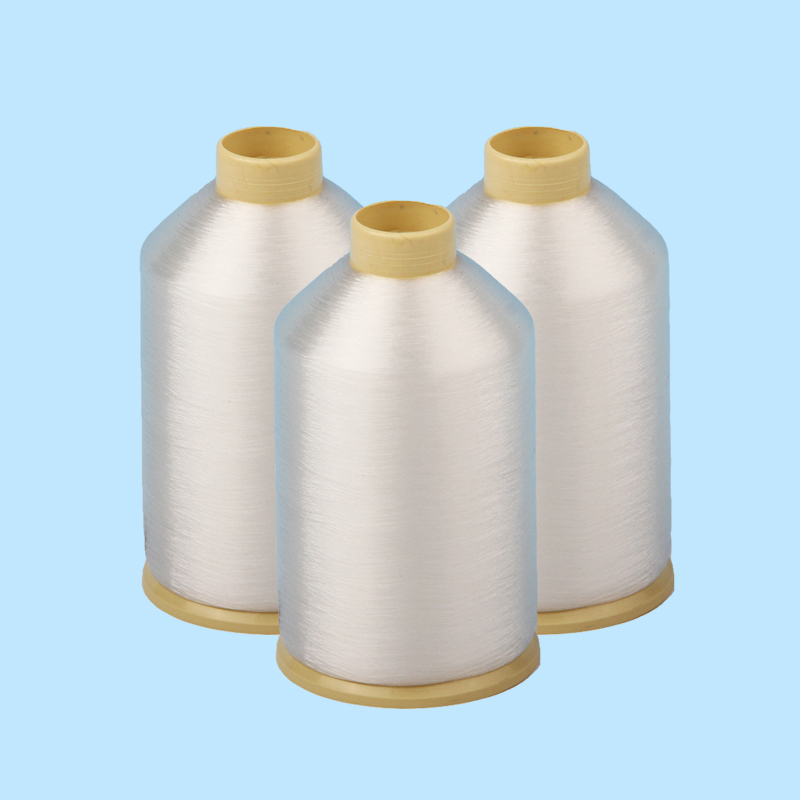
When it comes to quilting machines, mono thread plays a crucial role. This specialized thread, typically made from polyester, is renowned for its strength and durability, essential attributes for any quilter aiming for professional-quality results. By using mono thread on quilting machines, users can minimize issues like looping on the underside of quilts, ensuring that the final product not only looks great but also stands the test of time. This is highly valuable to businesses focused on quality craftsmanship, as it translates to fewer reworks and higher customer satisfaction.
Understanding the significance of mono thread in quilting machines requires a glimpse into its history. Initially, quilters relied predominantly on cotton threads, which, while traditional, could lead to difficulties such as fraying and looping during stitching. The advent of synthetic fibers in the late 20th century revolutionized quilting. Modern quilt-making now often employs mono threads, which offer precision and lesser stretch. Today, companies like BOSIDI have become popular suppliers, providing high-quality mono threads that enhance the quilting experience for both hobbyists and professionals alike.
The practical uses of mono thread are numerous. Its fine diameter allows for tight stitches, providing reduced visibility of seams and less bulk, thereby ensuring clean lines in quilt designs. Moreover, mono thread maintains its tensile strength under tension, allowing quilters to work with varied fabric types while avoiding common pitfalls like looping. This is especially significant in commercial quilting environments, where production efficiency and quality assurance are paramount. With 100% inspection protocols common in top-tier suppliers, such as those adhering to ASTM standards, businesses can rest assured that each roll of mono thread meets stringent quality expectations.
Despite its advantages, many misconceptions about mono thread persist. Some quilters hesitate to use mono thread due to fears that it might not blend well with different fabric types, leading to unsightly contrast in finished quilts. However, modern mono threads are available in a variety of colors and can be used subtly alongside other threads. Additionally, some users believe that any thread can be used interchangeably, overlooking that swapping between thread types without adjusting machine tension settings can result in significant issues, including looping on the underside of the quilt.
To illustrate these points further, consider a case study involving a quilting business that transitioned from using standard cotton thread to high-quality mono thread from BOSIDI. The business reported a 30% reduction in thread breakage and a 40% decrease in the time spent correcting looping errors beneath their quilts. This resulted in a dramatic increase in productivity and customer satisfaction, affirming the effectiveness of utilizing mono thread on quilting machines.
In summary, the incorporation of mono thread into quilting processes is not merely a trend but a substantial upgrade that addresses common issues like looping on the underside. For businesses seeking to enhance their quilting operations, investing in quality mono thread from reliable suppliers like BOSIDI can significantly improve outcomes. By understanding the intricacies of this threading option, quilters can elevate their craft and avoid the pitfalls that often accompany quilting projects. Embrace the benefits of mono thread today, and witness the transformative impact it can have on your projects. For more insights and resources, visit Mono Expert.

Follow Us
Follow Us
Navigation
Navigation
Contact Us
Tel.: +86 135 5678 0711
E-mail: bosidi@foxmail.com
Add.: Building 2, No. 9 Weixing Road, Chashan Town, Dongguan, Guangdong, China