
Aug. 31, 2026
In the world of crafting and manufacturing, the right choice of materials can mean the difference between a successful project and a failed one. One such material that has been steadily gaining traction is mono thread, a type of sewing thread that boasts strength and versatility. For anyone delving into industries ranging from textile production to DIY crafts, understanding the significance of sewing thread mono suppliers is critical. By employing a mono thread, users can tackle pain points like fraying and weakness commonly associated with conventional twine or multi-strand threads. Mono thread offers a reliable alternative, allowing for seamless projects in light-duty applications.
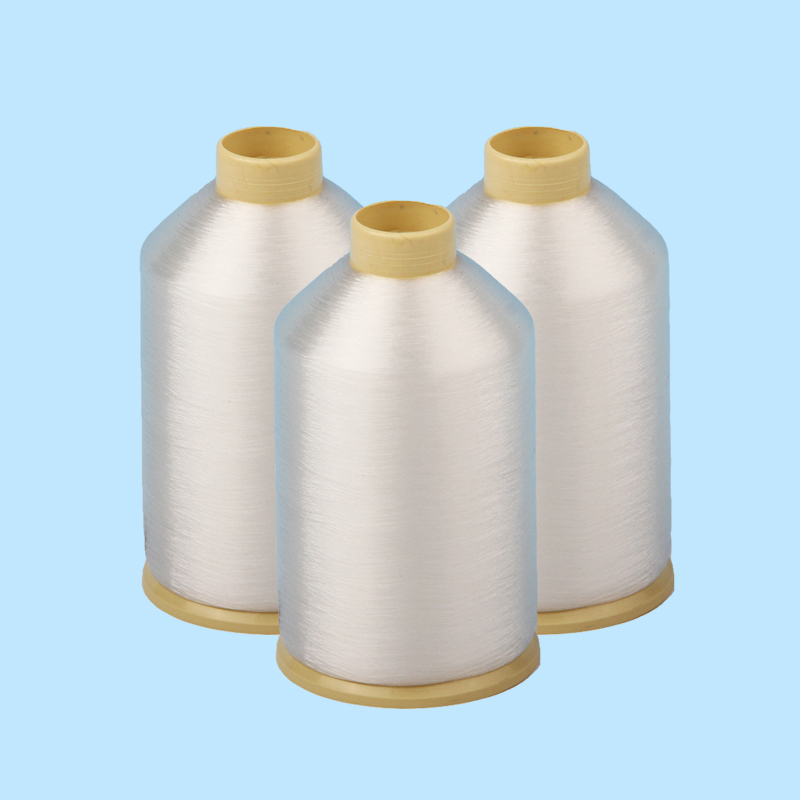
Mono thread, often referred to as monofilament thread, is defined as a single continuous strand of synthetic material, most commonly nylon or polyester. This differs from multi-strand threads, which consist of twisted fibers. According to industry terminology, monofilament threads are characterized by their high tensile strength, low elasticity relative to its strength, and resistance to abrasion. The tensile strength of high-quality monofilament can reach up to 15 pounds before breakage occurs, making it an excellent choice for applications requiring durability.
Mono threads are used in a variety of fields, witnessing a notable rise in popularity among sewing contractors, crafters, and even in the fishing industry. Here are some prominent applications:
The emergence of mono threads in various industries reflects several compelling advantages:
Strength and Durability: Compared to traditional twine, mono threads can demonstrate a 20-30% increase in tensile strength, allowing them to withstand heavier loads without breaking.
Reduced Fraying: Unlike multi-strand threads, mono threads do not fray at the edges, subsequently decreasing the likelihood of stitches unraveling, which is often a critical concern for professionals.
Versatility: Mono threads can be used in multiple applications, reducing the need for multiple types of thread in inventory and simplifying the supply chain.
Given these benefits, it's evident how mono threads are transforming the landscape of sewing supplies, particularly in light-duty applications.
If you’re considering incorporating mono threads into your projects, it's crucial to start with understanding their specifications and application methods. Users benefit greatly from detailed user guides, and brands like BOSIDI often provide comprehensive resources to help users make informed decisions. Whether you're a manufacturer, a small business owner, or a passionate crafter, investing time in learning about mono thread usage can significantly elevate the quality of your projects.
1. What is the main difference between mono thread and typical sewing threads?
Mono thread is a single strand whereas typical sewing thread consists of multiple strands twisted together. This singular structure makes mono thread stronger and resistant to fraying.
2. In what applications should I use mono versus multi-strand threads?
Mono threads are ideal for situations requiring strength and finesse, such as sewing seams in garments or in crafting delicate items. Multi-strand threads may still be used for more robust, heavy-duty applications.
3. Can mono thread be used for machine sewing?
Yes, mono thread is compatible with most sewing machines, but it's advisable to consult the machine's manual to ensure proper threading techniques.
For further understanding or to trial premium quality mono threads, consider exploring the offerings of BOSIDI. By selecting the right supplier, you ensure the durability and effectiveness of your projects.

Follow Us
Follow Us
Navigation
Navigation
Contact Us
Tel.: +86 135 5678 0711
E-mail: bosidi@foxmail.com
Add.: Building 2, No. 9 Weixing Road, Chashan Town, Dongguan, Guangdong, China


